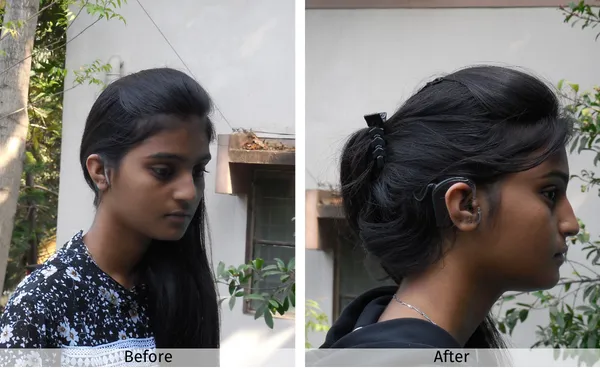
Tanishka’s Journey
Background
Tanishka Raykar, a 17-year-old from Pune, experienced a significant life change due to meningitis, which led to the loss of her hearing ability at the age of 9. In 2016, Tanishka underwent cochlear implant surgery at Pune.
Initial Success
The cochlear implant enabled her to regain near-normal hearing and speech, allowing her to integrate into a regular school and communicate effectively, enhancing her quality of life and educational experiences.
The Challenge
By October 2022, the sound processor provided to Tanishka in 2016 had become obsolete and was no longer functioning properly.
The cost for repairs was substantial, and an upgrade was necessary. The new sound processor was priced at Rs. 3,12,900/=.
Tanishka’s father, the sole earning member of the family, faced financial difficulties.
The Support
The Make My Dream Foundation stepped in to assist with the following contributions:
- Personal Contribution: Tanishka’s father raised hand loans and contributed Rs. 2.00 lakhs.
- Make My Dream Foundation’s Contribution: Raised Rs. 1.00 lakh.
- Deferment: Mandke Hearing Services allowed a deferment in payment for the balance of Rs. 12,900/=.
The Outcome
With these combined efforts, the project was successfully completed in December 2022.
The timely support ensured Tanishka to continue her education seamlessly and maintain her academic progress.
She is currently pursuing her 12th standard Arts.
The Impact
Tanishka’s journey underscores the transformative impact of timely and compassionate support in overcoming significant challenges. Her continued success in education is a testament to the power of community support and strong efforts of Make My Dream Foundation.
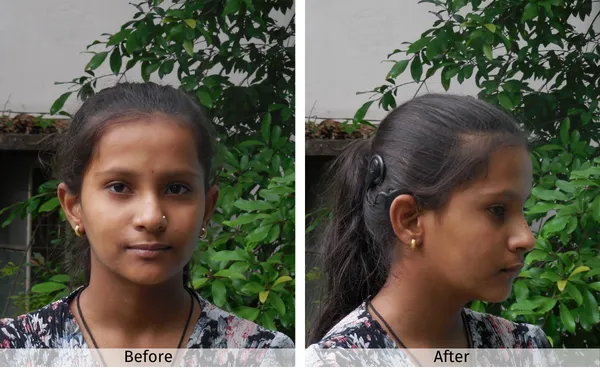
Gauri’s Journey
Background
Gauri Pansare, a 13-year-old from Village Nimboli, Ahmednagar, experienced bilateral profound sensorineural hearing loss since birth. In January 2016, Gauri underwent cochlear implant surgery at Pune.
Initial Success
The cochlear implant enabled her to regain near-normal hearing and speech, allowing her to integrate into a regular school and communicate effectively, enhancing her quality of life and educational experiences.
The Challenge
By January 2024, the sound processor provided to Gauri in 2016 had become obsolete and was no longer functioning properly.
The cost for repairs was substantial, and an upgrade was necessary. The new sound processor was priced at Rs. 3,12,900/=.
Gauri’s father, the sole earning member of the family, faced financial difficulties.
The Support
The Make My Dream Foundation stepped in to assist with the following contributions:
- Personal Contribution: Gauri’s father raised hand loans and contributed Rs. 212900/=.
- Make My Dream Foundation’s Contribution: Raised Rs. 1.00 lakh.
The Outcome
With these combined efforts, the project was successfully completed in July 2024.
The timely support ensured Gauri to continue her education seamlessly and maintain her academic progress.
She is currently pursuing her 7th standard.
The Impact
Gauri’s journey underscores the transformative impact of timely and compassionate support in overcoming significant challenges. Her continued success in education is a testament to the power of community support and strong efforts of Make My Dream Foundation.
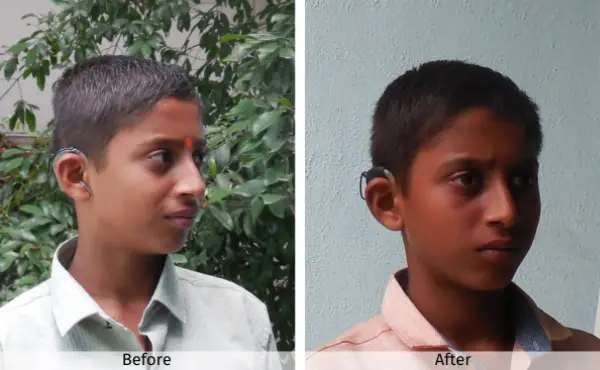
Ruturaj Belanke’s Journey
Background
Ruturaj Belanke, a 13-year-old from Village Ganeshwadi, Kolhapur, experienced bilateral profound sensory neural hearing loss since birth. In 2013, Ruturaj underwent cochlear implant surgery at Pune.
Initial Success
The cochlear implant enabled him to regain near-normal hearing and speech, allowing him to integrate into a regular school and communicate effectively, enhancing his quality of life and educational experiences.
The Challenge
By May 2024, the sound processor provided to Ruturaj in 2013 had become obsolete and was no longer functioning properly.
The cost for repairs was substantial, and an upgrade was necessary. The new sound processor was priced at Rs. 3,12,900/=.
Ruturaj’s father, the sole earning member of the family, faced financial difficulties.
The Support
The Make My Dream Foundation stepped in to assist with the following contributions:
- Personal Contribution: Ruturaj’s father raised hand loans and contributed Rs. 190000/=.
- Make My Dream Foundation’s Contribution: Raised Rs. 1.23 lakh.
The Outcome
With these combined efforts, the project was successfully completed in September 2024.
The timely support ensured Ruturaj to continue his education seamlessly and maintain his academic progress.
He is currently pursuing 7th standard.
The Impact
Ruturaj’s journey underscores the transformative impact of timely and compassionate support in overcoming significant challenges. His continued success in education is a testament to the power of community support and strong efforts of Make My Dream Foundation.
Purva’s Journey
Background
Purva Kadam, from Baramati, born with bilateral congenital profound sensorineural hearing loss. Purva underwent cochlear implant surgery in January 2009 at Pune.
Initial Success
After receiving the cochlear implant, Purva integrated into a regular school and developed near-normal speech and communication abilities. The cochlear implant played a crucial role in her ability to engage with mainstream society, enhancing her quality of life and educational experiences.
The Challenge
The Support
Purva’s mother reached out to the Make My Dream Foundation in 2017 for financial assistance.
The Outcome
Thanks to the upgrade, Purva’s hearing was significantly improved.
She successfully completed her 12th standard and is now in the process of getting admission in ISER for doctorate as she is aspiring to become scientist.
The Impact
This new chapter in her life reflects her determination and the pivotal role that proper hearing assistance has played in her educational and career goals.
Purva’s story is a testament to the positive impact of dedicated support and community involvement in transforming lives.